- info@selfchec.org
Powered by Google  Translate
TranslateLess Alcohol

Find Out What Kind Of Drinker You Are

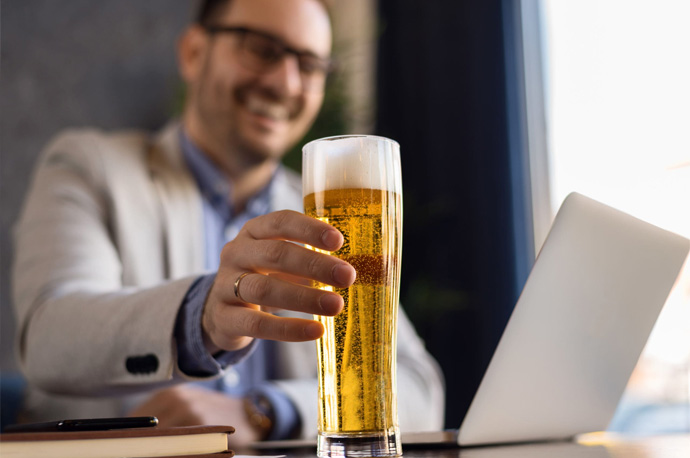
The Stress-head. You’ve done a solid eight hours in the office, up against deadlines, a demanding boss and fussy clients. When you fall in the front door, blood pressure sky high, a relaxing drink may seem like water in the desert to you.
Alcohol may help you relax for an hour or two. But it can increase your stress levels overall. Alcohol is also a depressant, which means that it slows down the brain and the central nervous system.
At first this can make you more relaxed and less wound up, but if you drink too much it can end up making you feel depressed, anxious – and more stressed.
The Dinnertime Guzzler. For you, dinner isn’t complete without a glass of wine or two. It all starts with the preparation.
Are You An Alcoholic?
Is your relationship with alcohol okay or are you overdoing it and need to take action?
Both how much you drink on any given day and how often you have a “heavy drinking day,” work against you:
The more drinks and the more heavy drinking days over time, the greater the risk not only for alcoholism and alcohol abuse, but also for other health and personal problems.
Want to cut back on your alcohol intake? Read how.
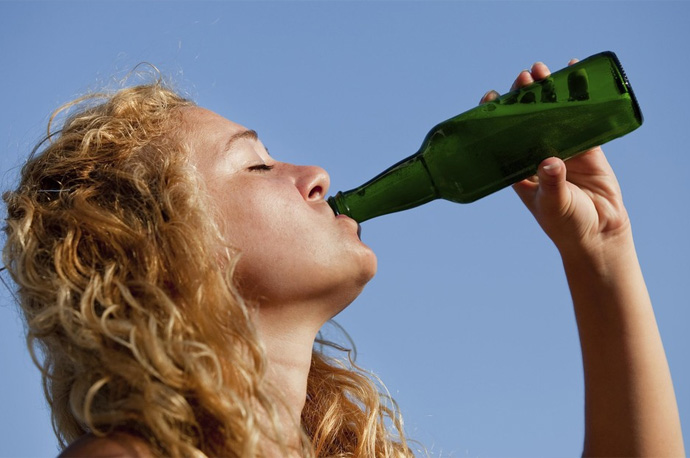
The Gender Differences For Alcoholism

- Women metabolize alcohol more slowly than men so alcohol stays in a woman’s bloodstream longer.
- Women have less water in their bodies than men, therefore, alcohol is less able to dissolve and remains more concentrated.
- Liver disease and other alcohol-related problems develop faster in women than in men who drink the same amount.
- Women’s risk for breast cancer, especially after menopause, increases with greater alcohol consumption. For each standard-sized drink a day, postmenopausal blood pressure risk rises by about 11 percent. If you’re at high risk for blood pressure for other reasons, consider eliminating alcohol from your life.
How Alcohol Can Affect Your Health
Alcohol is a factor in more than 200 diseases and injuries including cirrhosis, or hardening, of the liver, certain cancers, high blood pressure, heart disease and stroke, osteoporosis, malnutrition, inflammation of the pancreas and brain damage, as well as broken bones from trips and falls, injuries from fights, suicide and driving accidents.
Recent research has found causal relationships between excessive drinking and the transmission of infectious diseases like tuberculosis as well as HIV/AIDS.
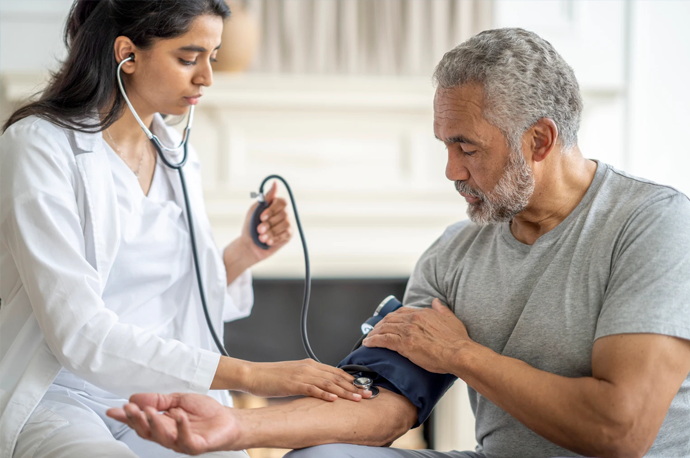
Drinking Too Much Can Affect Your Cancer Risk
According to the American Institute for Cancer Research (AICR), alcohol is a carcinogen. Years of heavy drinking can lead to liver cancer. And there is growing evidence that heavy drinking may lead to breast, oral, larynx, esophagus, liver, pancreatic, stomach, bowel and colorectal cancers.
Your risk of lung cancer increases dramatically if you both drink and smoke tobacco.
How To Cut Down On Alcohol
11 Steps You Can Take
- Cut down on your serving size—have 3 ounces of wine instead of 5, or a smaller can of beer.
- “Stretch out” drinks by adding water, plain or flavored seltzer, club soda or even 100-percent juice.
- Sip, don’t chug.
- Limit yourself to one standard alcoholic drink per hour or two. If you need to constantly sip, alternate booze with non-alcoholic drinks.
- Decide to make some days of every week alcohol-free and put a limit on drinks on the other days.
- Choose low- or no-alcohol beer or wine.
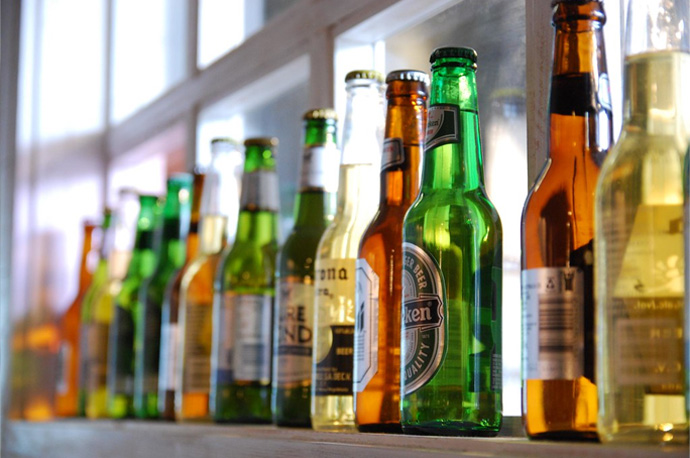
There Aren’t Any Really Safe Drinks
The amount of alcohol you drink is what matters, not the type of alcoholic drink, correcting the misconception that wine for instance, is less harmful than vodka.
Even small amounts of alcohol pose some cancer risk to both men and women, so for the lowest risk, the AICR recommends not drinking alcohol at all. However, if you do drink alcohol, limit your intake to no more than two drinks a day for men and one drink a day for women.
At-Risk Drinking Levels
“Holding your liquor” doesn’t necessarily mean you aren’t drinking too much. At-risk or heavy drinking levels are:
- More than 4 drinks on any day or 14 drinks over the course of a week for men
- More than 3 drinks on any day or 7 drinks over the course of a week for women
About 25 percent of people who exceed these limits are considered alcoholics or alcohol abusers, and the others are at risk for becoming alcoholics.
If you drink too quickly, for instance, you can have problems even if you’re drinking less than the above.

The Amount Of Alcohol In One Drink

Although the following drinks have different fluid amounts, each has about the same amount of alcohol and each one counts as a single standard drink. The differences are due to the amount of alcohol by volume or “alc/vol”:
- 12 fluid ounces of regular beer @ 5% alc/vol
- 8-9 fluid ounces of malt liquor @ 7% alc/vol
- 5 fluid ounces wine @ 12% alc/vol
- 3-4 fluid ounces of sherry or port @ 17-22%
- 2-3 fluid ounces of a cordial, liqueur or aperitif @ 20% alc/vol
- 1.5 fluid ounces or a single jigger (one “shot”) of brandy, any 80-proof spirit or hard liquor @ 40% or higher alc/vol
What The Alcohol Content Of
A Canned Or Bottled Beverage Is
Start By Checking The Label
Not all beverages are required to list the alcohol content, so you may need to look online for information, such as the bottler’s website.
Drinks served at a bar or restaurant or even those you mix yourself if you’re not measuring carefully may not reflect the health guidelines.
A single mixed drink made with hard liquor could have three or more times the alcohol in a standard size.
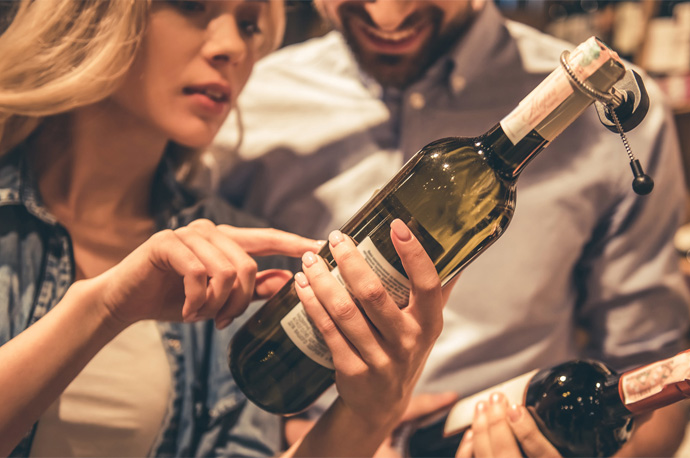
Standard Drinks Are Different From Bottles And Cans
When you’re doing the pouring, it helps to know the number of standard drinks in different bottles and cans:
Regular Beer
12 fluid ounces = 1 drink
16 fluid ounces = 1⅓ drinks
22 fluid ounces = 2 drinks
40 fluid ounces = 3⅓ drinks
Malt Liquor Beverages
12 fluid ounces = 1½ drinks
16 fluid ounces = 2 drinks
Frequently Asked Questions
Often we associate the dangers of drinking too much with drunk driving, but drinking can threaten our health, both physically and mentally. Click the questions below for more answers.
(Much of the information on these pages was culled from the National Institutes on Alcohol Abuse and Alcoholism (NIAAA). In 2025 this site was taken down, but the information from it is still valid).
Find out if you are a Stress-head, Dinner Time Guzzler, Sports Fan or The ‘Relax, It’s the Weekend!’ Drinker. Read more
Take the NCADD Alcoholic Self-test. Read more
Learn why drinking problems develop faster in women than in men. Read more
Even a small amount of alcohol can do lasting damage to your body and your mind. Drinkers are more likely than nondrinkers to have over 200 kinds of diseases and injuries. Read more
For some people alcohol acts as a carcinogen. Here are a few cancers we put ourselves at risk for… Read more
Here are 11 steps… Read more
The newest findings say the amount is more harmful than the type of alcohol you drink. Read more
Are you putting yourself at risk if you’re “holding your liquor”? Read more
Use the calculator on this page to determine how much alcohol is in the next drink you have. Read more
For all the details on the alcohol content of wine, malt beverage and distilled spirits click the link on this page. Read more
Find out by reading the chart on this page. Read more
What Self Chec Is Saying To You
If you've been too busy, overwhelmed, exhausted or simply convinced that you can get to it later, you need to know that "later" is the most dangerous word in healthcare.

Not Someday, Not Later, Now.
Sign Up To Be Reminded
.png)